
Nursing Attendant
Providing Peace of Mind When You Can’t Be There. Dedicated Support for Their Golden Years
- SERVICES
- Nursing Attendant

What Does a Nursing Attendant Do?
overview
A Nursing Attendant (often called a CNA or Patient Care Assistant) is the backbone of the healthcare team. While nurses handle clinical tasks and medication, attendants focus on the activities of daily living (ADLs) and the emotional well-being of the patient.
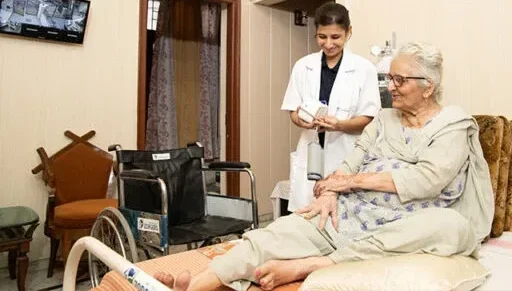
Role in Healthcare
a Nursing Attendant serves as the primary interface between the patient and the medical system. While doctors diagnose and nurses treat, the attendant ensures the patient’s daily existence is managed with safety and respect.
The “Bridge” Between Care and Clinicals
The Nursing Attendant fills the gap where clinical medicine meets human necessity. Their role is defined by three pillars:
Continuous Presence: Unlike doctors or registered nurses who visit periodically, attendants spend the most time at the bedside. This makes them the first to notice subtle changes in skin color, mood, or breathing.
Physical Safety: They manage the high-risk moments of a patient’s day—such as transferring from a bed to a chair—reducing the risk of falls and injuries.
Emotional Stability: By providing consistent companionship and listening, they reduce the anxiety and isolation often felt during long-term recovery or end-of-life care.
Core Responsibilities
Activities of Daily Living (ADLs)
This is the heart of the role. An attendant ensures that a patient’s basic human needs are met with dignity.
Hygiene: Full bed baths, assisted showering, oral care, and hair care.
Dressing: Assisting with clothing and compression stockings.
Toileting: Managing bedpans, urinals, or assisting with trips to the bathroom while maintaining infection control.
Feeding: Cutting food into manageable pieces, assisting with specialized diets, and ensuring proper hydration.
Mobility and Positioning
Preventing secondary complications like pressure sores (bedsores) or muscle atrophy is a critical medical responsibility.
Turning: Repositioning bedbound patients every two to four hours.
Transfers: Using proper body mechanics or mechanical lifts to move patients from bed to chair.
Ambulation: Walking with patients to regain strength and balance.
Why This Service Matters
n the journey of healing, the smallest details often matter the most. Our Nursing Attendants provide the constant, vigilant care that bridges the gap between clinical treatment and a full recovery. By prioritizing safety, dignity, and professional observation, we don’t just manage health—we protect the quality of life for our patients and the peace of mind for their families.