

Ventilator + CCU Staff Nurse
A ventilator trained staff nurse is skilled in managing and monitoring patients who require mechanical ventilation.
- SERVICES
- Ventilator + CCU Staff Nurse
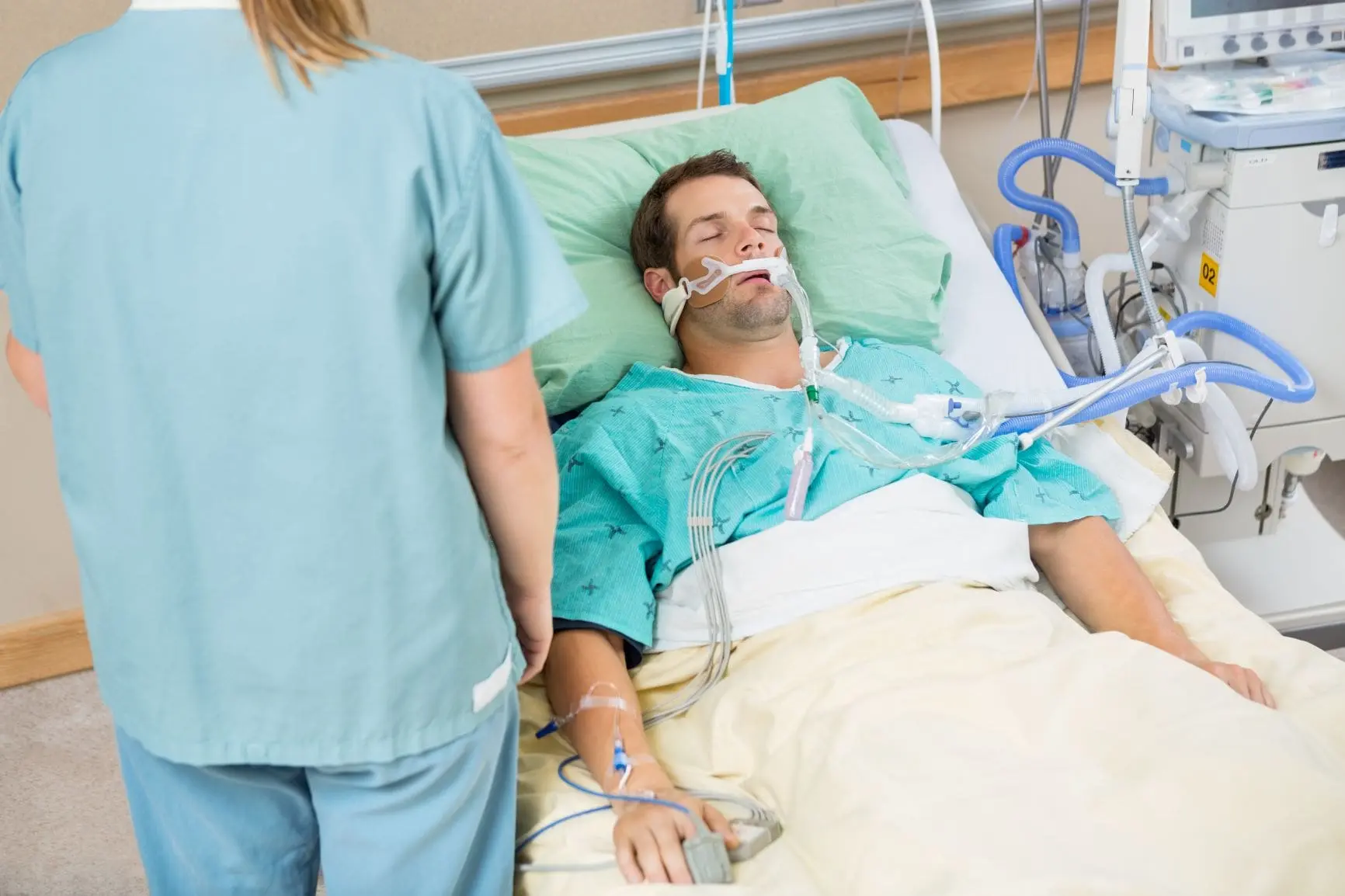
What Does a Ventilator + CCU Trained Staff Nurse Do?
overview
When life is on the line, expertise isn’t just an option—it’s a necessity. Our CCU-trained specialists bring the precision of a high-tech intensive care unit directly to your bedside. From expert ventilator management and real-time hemodynamic monitoring to compassionate, 24/7 vigilance, we bridge the gap between advanced technology and human healing.
Role in Healthcare
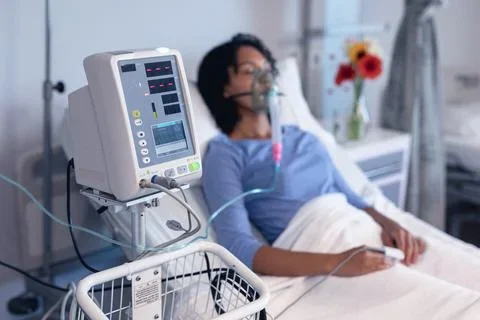
A Ventilator and CCU-trained nurse is the primary safeguard for a patient’s life. Their role focuses on three pillars: technological precision, emergency prevention, and recovery transitions.
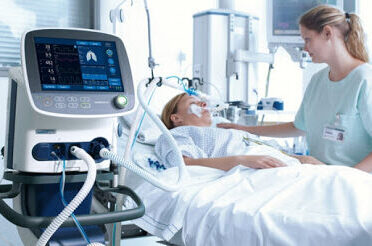
Skills and Qualifications
1. Essential Qualifications
- Academic Foundation: A Bachelor of Science in Nursing (BSN), which provides 4 years of deep training in anatomy, pharmacology, and critical thinking.
Professional License: Current registration as a Registered Nurse From the (PNC).
Critical Care Certification: Specialized post-graduate certification (such as CCRN) specifically in intensive care.
2. Core Technical Skills
- Ventilator Management: Proficiency in setting and adjusting modes like AC, SIMV, and PSV; managing $FiO_2$ levels; and troubleshooting equipment alarms instantly.
Hemodynamic Monitoring: The ability to set up and interpret data from arterial lines, central venous pressure (CVP) monitors, and ECGs.
Pharmacological Expertise: Calculating and titrating “life-saving drips” (vasopressors, sedatives, and anti-arrhythmics) based on real-time patient vitals.
ABG Interpretation: Analyzing Arterial Blood Gas results to adjust respiratory support and maintain acid-base balance.
Core Responsibilities
Life-Support Mastery: Expertly managing ventilator settings, oxygen concentrations ($FiO_2$), and lung pressures to ensure the patient breathes efficiently.
Vigilant Monitoring: Continuous tracking of hemodynamic stability—monitoring heart rhythms, blood pressure, and arterial blood gases (ABGs) to catch subtle shifts before they become crises.
Advanced Medication Management: Precise administration of high-alert “titrated” drugs (like vasopressors or sedatives) that require minute-by-minute adjustments.
Airway Protection: Preventing Ventilator-Associated Pneumonia (VAP) and ensuring the breathing tube remains secure and clear of obstructions.
Early Mobilization & Weaning: Strategically reducing machine dependency to help the patient’s lungs regain the strength to breathe independently.
Neurological Oversight: Assessing brain function and sedation levels in patients who are unable to communicate verbally.
Why This Service Matters
Our service matters because we bridge the gap between hospital-grade technology and the comfort of home, ensuring that your loved ones are never left without expert oversight. By providing CCU-trained specialists who can manage ventilators and complex medical emergencies with precision, we offer more than just nursing—we provide the security, professional vigilance, and peace of mind that every family deserves during their most challenging moments.

Ventilator + CCU Staff Nurse
Strong knowledge of respiratory and critical care nursing.
Expertise in operating and troubleshooting ventilator machines.
Quick decision-making and problem-solving abilities